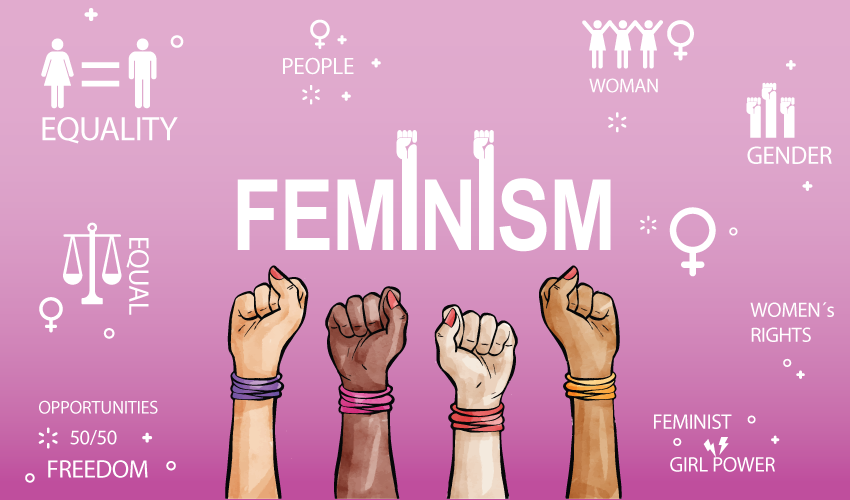
MARY WOLLSTONECRAFT – THE FIRST FEMININE VOICE
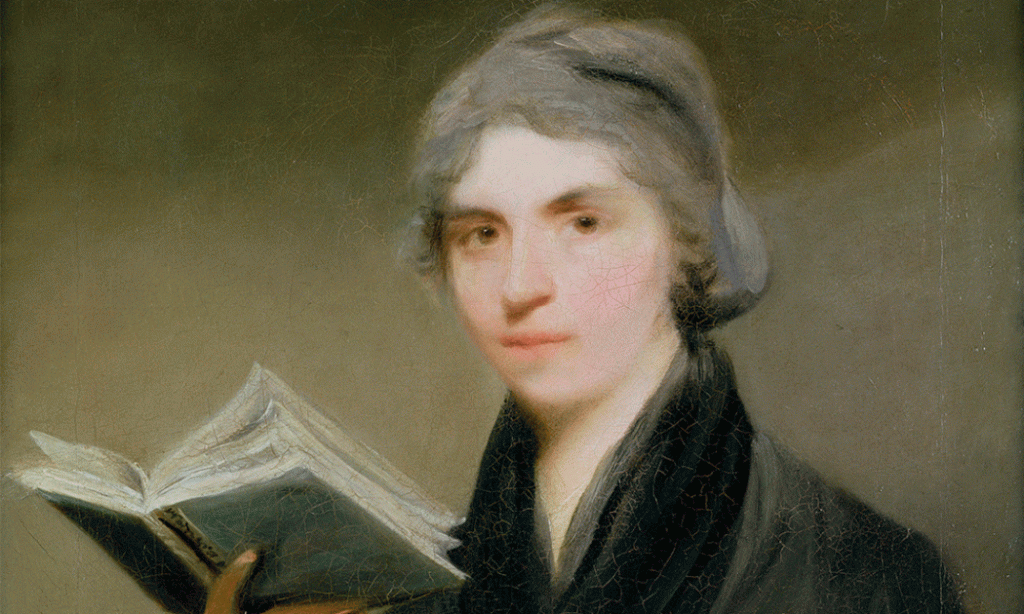
Mary Wollstonecraft (1759–1797) is widely regarded as one of the first feminists in history. At a time when women had little freedom or access to education, Mary boldly challenged societal norms. In her famous work, A Vindication of the Rights of Woman (1792), she argued that women are not naturally inferior to men but are only made so by a lack of opportunity and education.
She believed that women should be seen as rational beings, deserving of the same intellectual and social respect as men. Her vision of gender equality was revolutionary, and her courage in expressing these ideas made her a pioneer of feminist thought.
Despite facing criticism and personal hardship, Mary continued to write, advocate, and push boundaries. Her belief in equality, independence, and self-respect laid the foundation for later feminist movements.
Mary died young, shortly after giving birth to her daughter, Mary Shelley, who would grow up to write Frankenstein. Wollstonecraft’s legacy lives on through both her powerful words and her lasting impact on the fight for women’s rights.
“I do not wish women to have power over men, but over themselves.” – Mary Wollstonecraft
Savitribai Phule: The First Feminist of India
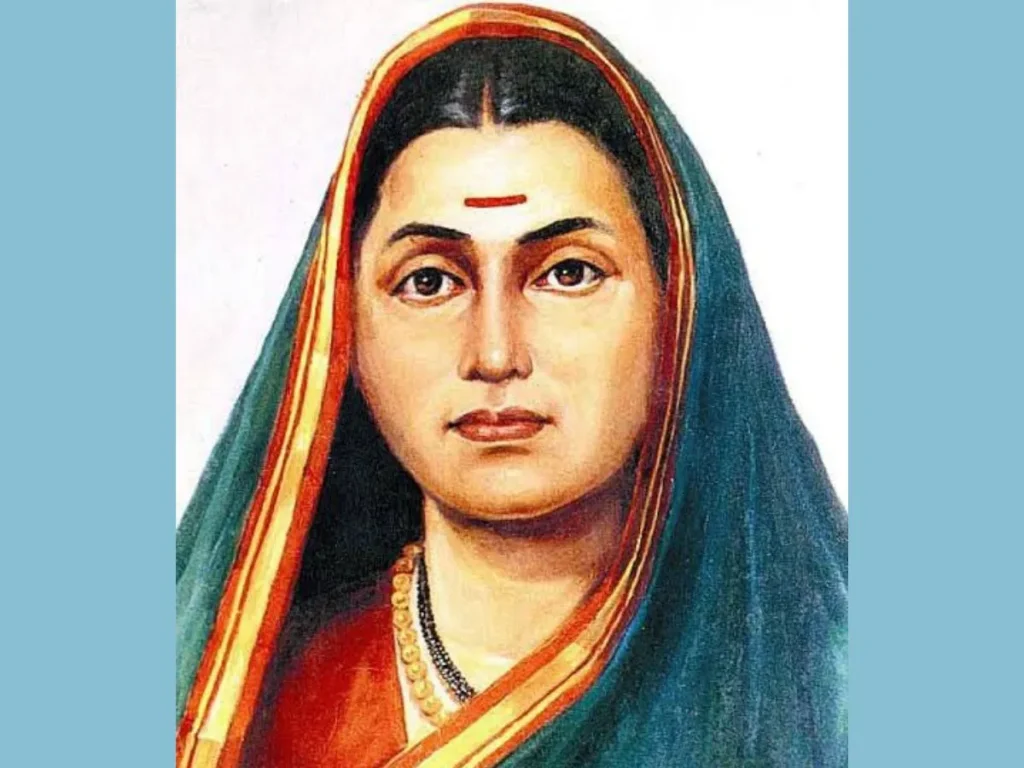
Long before feminism became a movement in India, Savitribai Phule (1831–1897) was already fighting for equality with unmatched courage. Born in a time when women, especially from marginalized communities, were denied education and basic rights, Savitribai rose to become India’s first female teacher, poet, and a true social reformer.
A Revolutionary Educator
Alongside her husband, Jyotirao Phule, Savitribai opened the first school for girls in Pune in 1848. This was a bold move in a deeply patriarchal society, where even the idea of educating girls was considered taboo. She faced abuse, threats, and even had stones and dung thrown at her. But nothing stopped her.
She carried two saris — one to wear and one to change into after people attacked her with filth. That’s the strength of her spirit.
A Voice For Voiceless
Savitribai not only fought for women’s education but also for the rights of widows, Dalits, and the poor. She opened a shelter home for widows and challenged oppressive customs like child marriage and Sati. Her poems and speeches lit a spark that continues to inspire Indian feminism today.
Her Legacy
Savitribai Phule’s work laid the foundation for women’s empowerment in India. She was not just a teacher but a warrior who used education as a weapon against inequality.
“Go, get education… Be self-reliant, be industrious. Work—gather wisdom and riches. All get lost without knowledge.” – Savitribai Phule
John Stuart Mill: The First Male Feminist
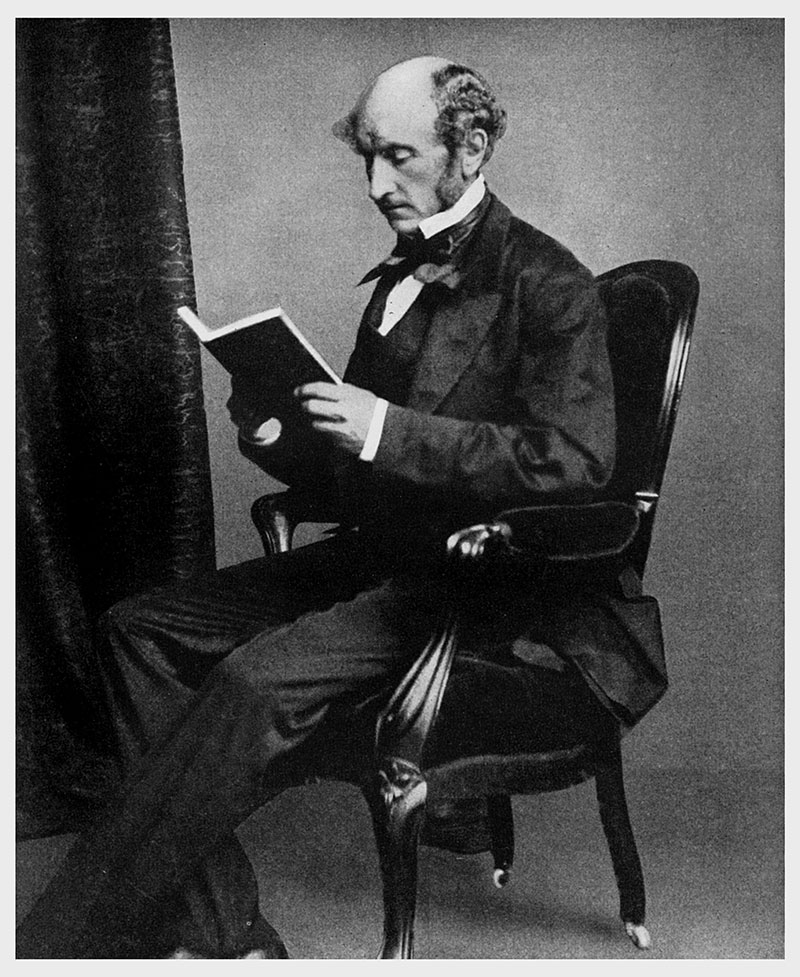
John Stuart Mill (1806–1873) was one of the earliest and strongest male voices for gender equality. In a time when women had no voting rights and limited freedoms, Mill used his power, pen, and political position to demand change.
In 1869, he published his groundbreaking book, The Subjection of Women, where he boldly argued that:
- The legal and social oppression of women was wrong and harmful to society.
- Women deserve equal rights, education, and opportunities.
- Marriage should be a partnership of equals.
He also supported women’s suffrage in the British Parliament — becoming one of the first MPs to openly advocate for women’s right to vote.
John Stuart Mill’s feminist beliefs were deeply influenced by Harriet Taylor, a writer, thinker, and his wife, whom he deeply respected as an intellectual equal.
Why He Matters
Mill proved that feminism is not just a “women’s issue” — it’s a human issue. His voice showed that men, too, can fight for justice, dignity, and equality for all.
“The legal subordination of one sex to the other is wrong in itself.” – John Stuart Mill